In-Depth Guide to Travel Safety
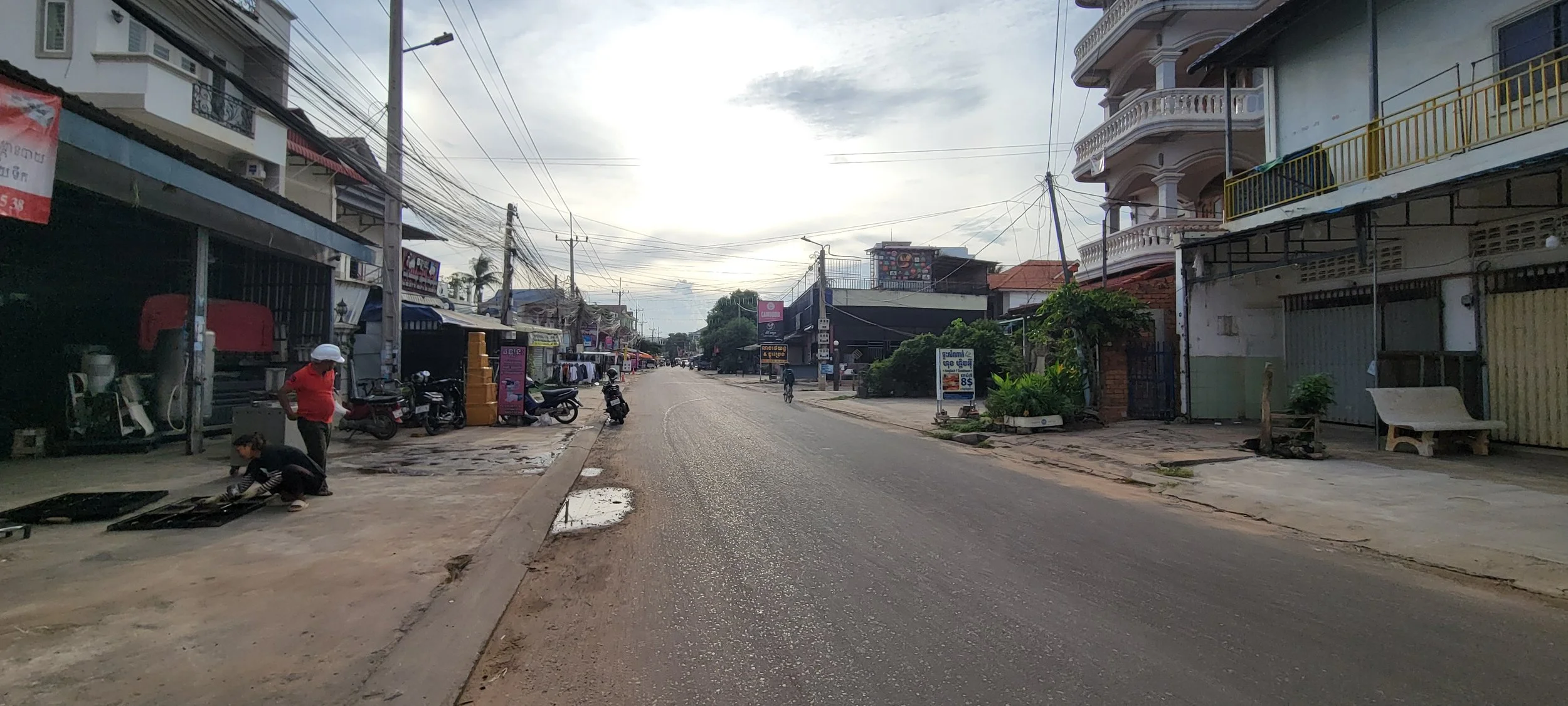
Streets in Siem Reap could feel empty even during the daytime, is it safe though?
Hi, my name is Mia and I recently went on a 3-weeks solo travel through Southeast Asia as a woman. A lot of my friends asked me about the safety aspect of the trip, so this is an in-depth guide for everyone who is considering traveling internationally, especially for solo females. Let’s dive in!
I. Basics
Before anything, do your research
Do 10 minutes of internet search before you go
It’s crazy how overlooked this step is. This is arguably the most important step that could literally save your life. The basic questions you should be answer are:
Is there an active war going on there?
What does your country’s travel advisory say about this location?
What vaccinations are required for entry?
What are the visa requirements for your passport?
Now that you have a very basic understanding of the safety of the country, let’s do more research. Here are questions you can put on your favorite search engine:
Common scams in [city]
Is [city] safe for [your ethnicity]
Places to avoid in [city/country]
Now, some just because the country’s name popped up in “do not travel” list on your country’s travel advisory, doesn’t mean it is completely off the table. There are countries that have both extremely dangerous cities/states/territories AND insanely safe cities that will make you never want to leave. (For my US Americans, think how safe a city in Vermont is, compared to Detroit). Just make sure you are doing research on all the cities you plan to visit, as well as you may transit through.
Prepare back ups, and back ups of back ups
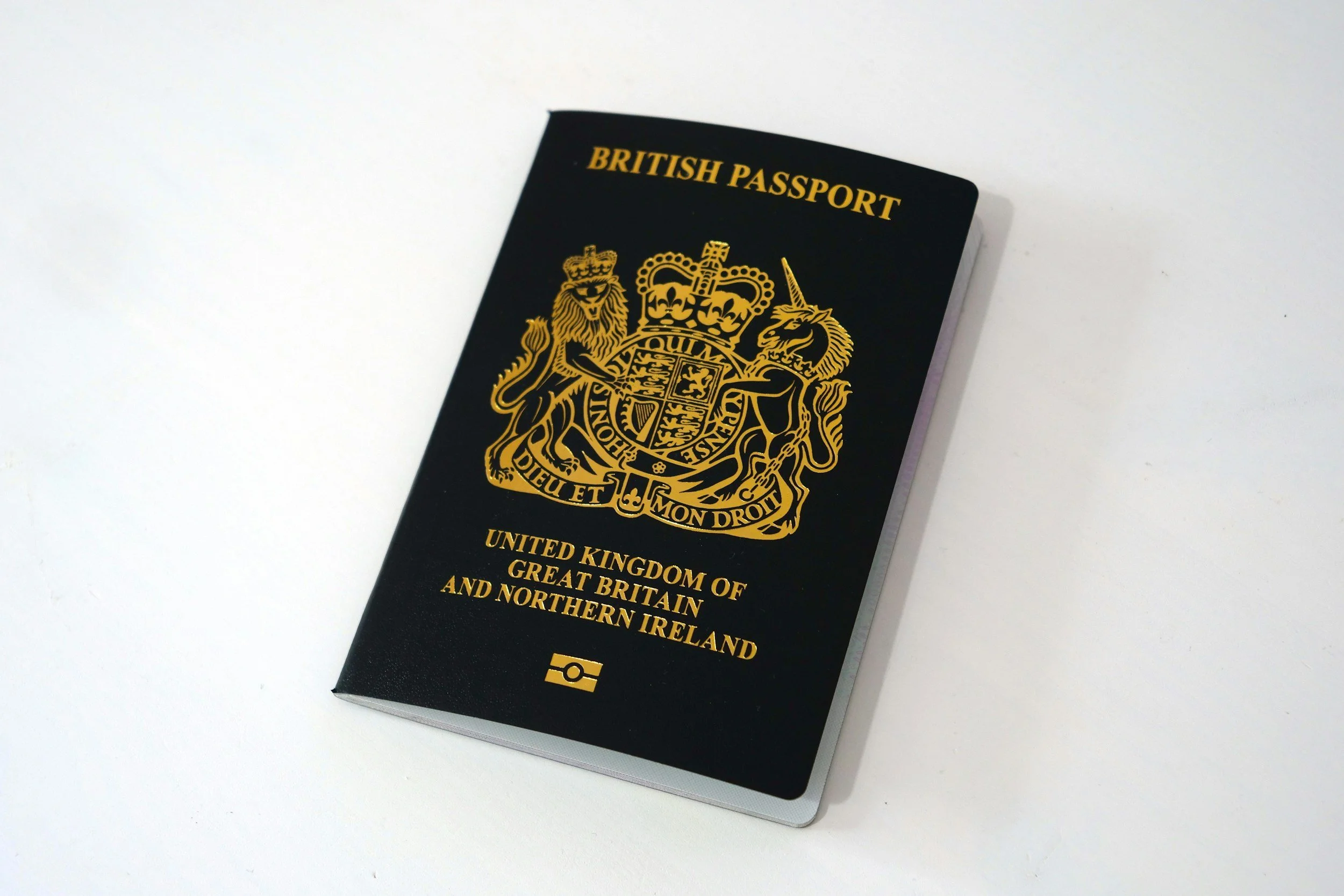
Seriously, make a photocopy of your passport.
What are some of the worst things that could happen on your vacation? Lost passport, stolen phone, credit card declining… what a nightmare!
For starters, make a photocopy of your passport, as well as a digital copy of your passport stored security on your phone. If you ever lose your actual passport, the airport agent and the local embassy will have a much easier time if you have either a photocopy or a digital copy of it (you might even be able to travel with it, avoiding being stuck somewhere).
As for your credit card, make sure you withdraw/exchange local currency, as well as have a few credit card back ups of different major brand (Visa and Master). Keep in mind American Express and Discover are not as widely accepted in foreign countries.
Lost your phone? Well hopefully you have the advices from this blog memorized. Although informing local law enforcement is the first step, a lot of times they are unable to help and will simply give you a report. Depending on your travel insurance or phone insurance, that police report may be enough to get you a replacement phone. If you don’t have insurance, and cannot retrieve your phone, I would simply suggest you to buy a new local phone. Yes, it sounds crazy, but if you are reliant on maps, translation, and not want to make your loved ones worried sick because you haven’t responded to them for over a week, just get a new phone.
Should I carry my passport with me at all times?
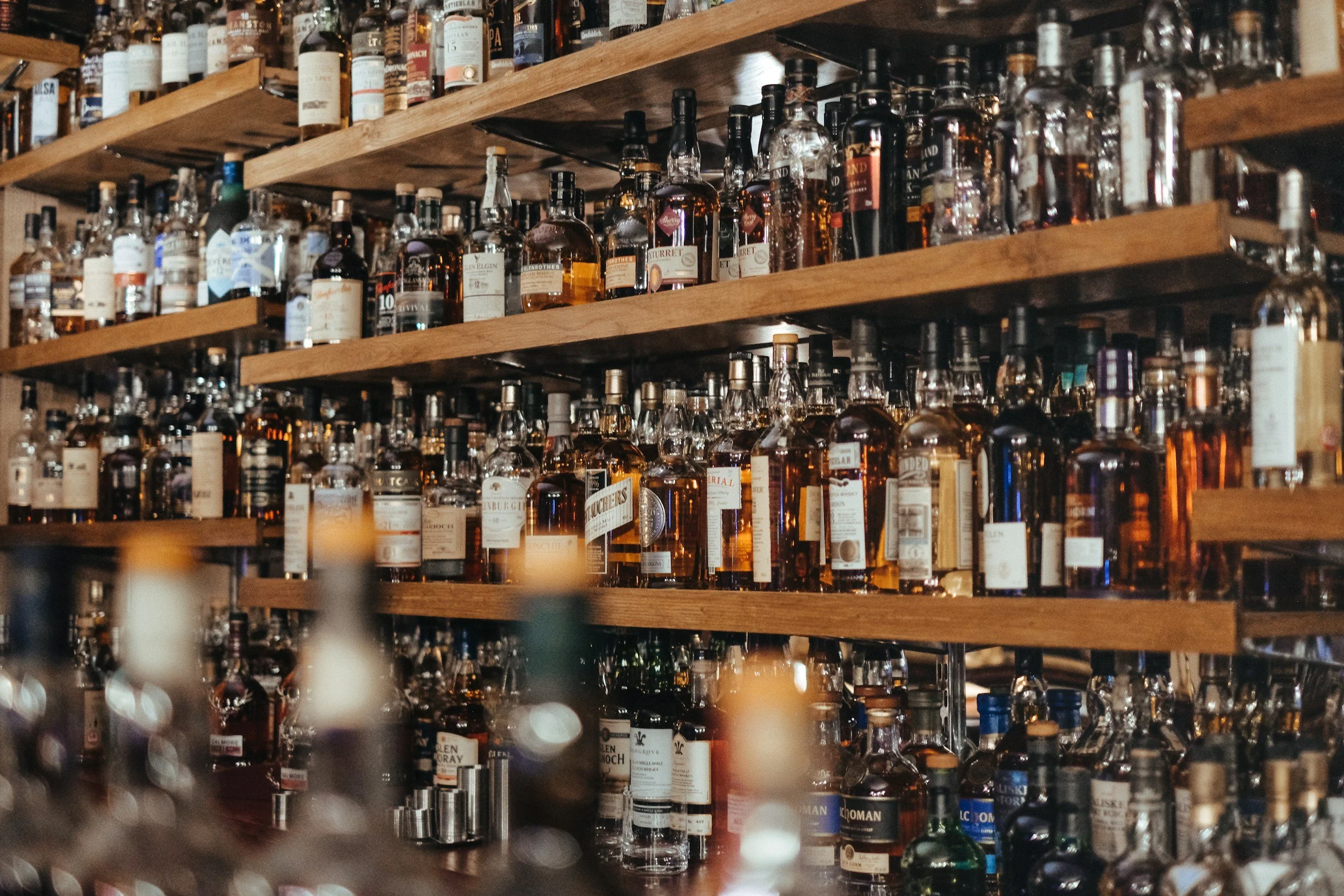
Some country are very strict with checking ID for alcohol consumption, some not so much.
I’ve gotten into many debates on whether or not you should carry around your passport with you at all times, and my answer is: it depends on the country and what you plan to do. Some places will not accept any other form of ID (such as drivers license or photocopy of your passport), and you need to show your passport to get around or order alcohol. On the other hand, some places will not require you to have a passport for daily traveling purposes, and a photocopy would do its job if there is an emergency.
My advice is to bring your physical passport around for the first few days of your travel, and see if you need it. If you don’t need it, keep it hidden in your clothes in your suitcase back in your hotel room, and carry around your photocopy.
II. Avoiding pickpockets
Have two bags: a hidden money belt and a public facing bag
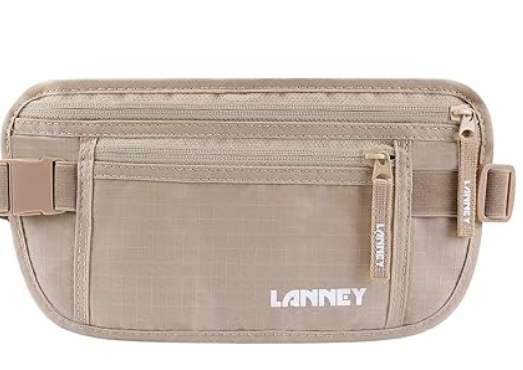
A money belt from Amazon (not sponsored)
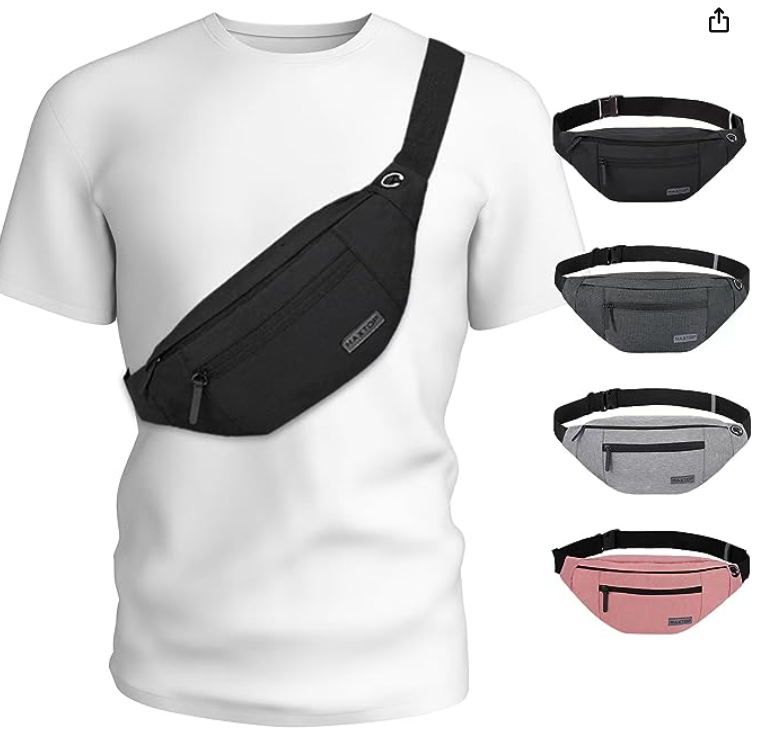
A front-facing bag from Amazon (not sponsored)
Get a slim money belt to store some cash, card, and maybe your physical passport. Wear your clothes over this belt. This bag does not need to be readily accessible. Then, have a readily accessible bag (preferably front facing) that have smaller sum of cash and a card. If someone were to get aggressive and wants your belongings, give them your entire outside bag and run.
Do not put your phone in your back pocket, or shallow front pockets
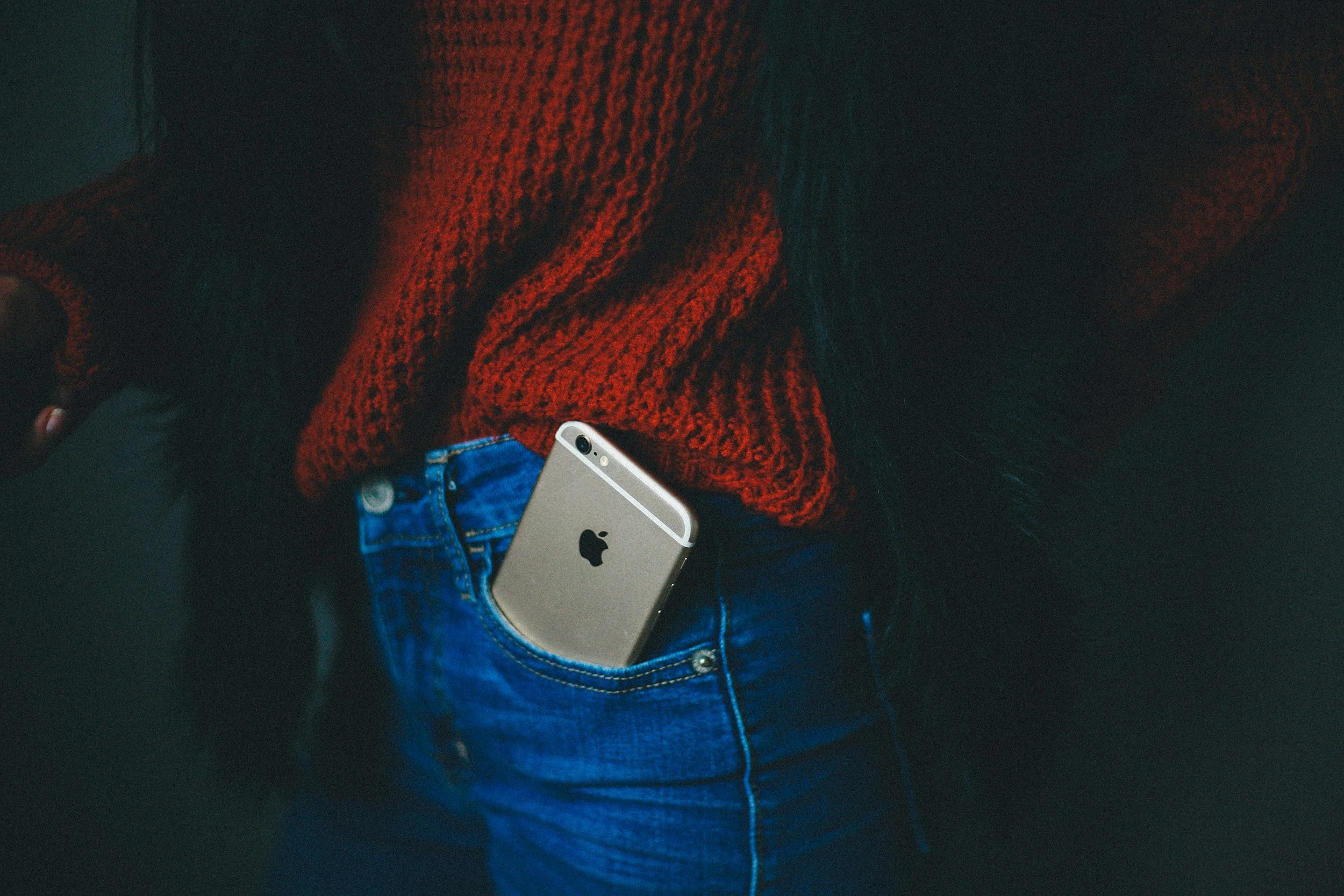
This may sound like common sense but a lot of us unconsciously do it
Please, spend sometime in investing in pants with front pockets that are deep enough to engulf your entire phone. Even better, do not use your pockets at all. A phone that is 5 years old may not be very valuable in your country, but that could be very different in another country.
III. Avoiding Cultural Clashes
Learn at least 3 phrases in that country’s language: thank you, sorry, and toilet.
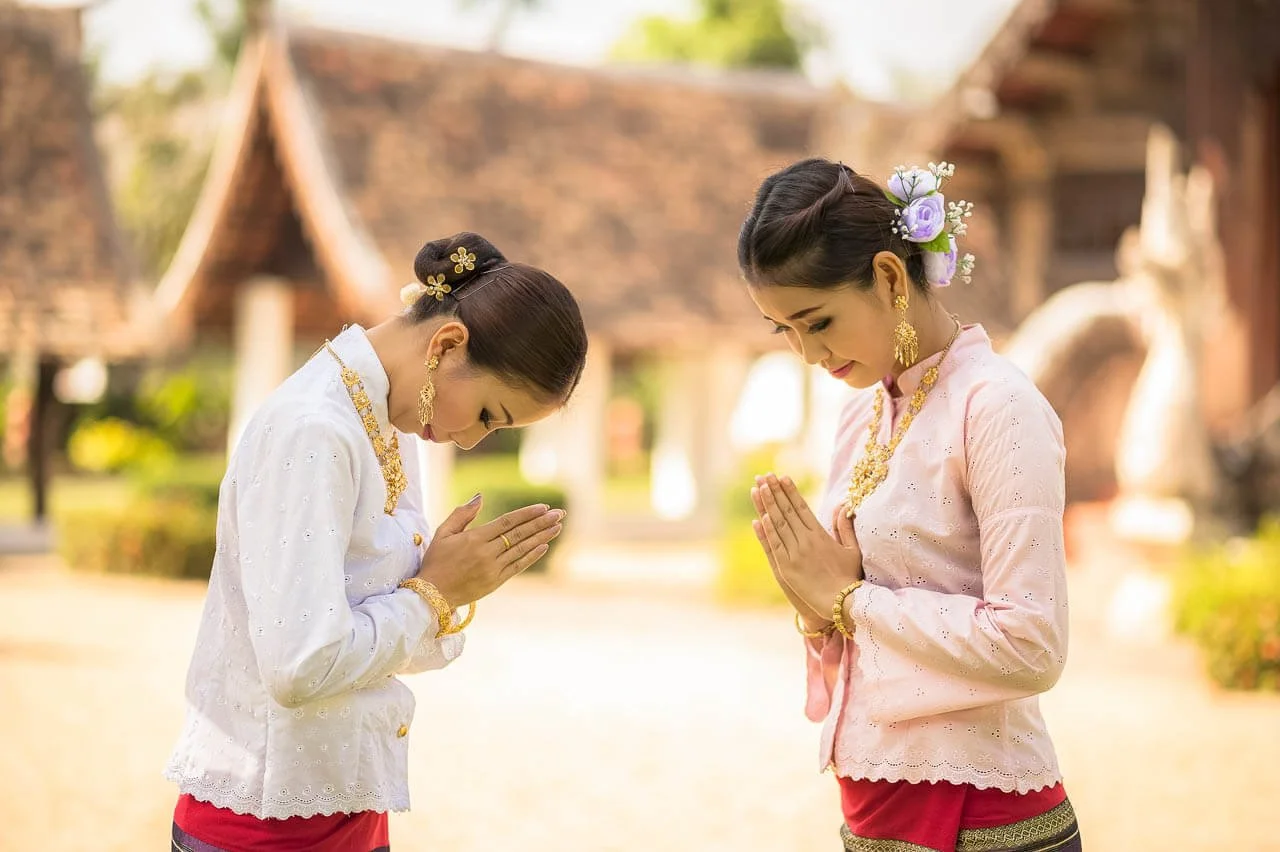
In Thailand, people say Thank you by putting their hands together. Image from https://www.thekohsamuiguide.com/
The last thing you want in a vacation is to get into a fight with a local. Sometimes a small bump or small misunderstanding could be solved by saying “sorry”.
Learn Local Customs and Religions
Did you know that in Thailand a monk is not allowed to touch a woman? Or in Japan, it is polite to hold the elevator door open with the “open door” button on the elevator, but not with your feet? Learning these small local customs, religions, and practices will not only help you immerse in the country better, but help you avoid any unintentional offenses.
If you are unsure of these things, you can always ask your hotel front desk, AirBnB host, Uber driver, etc. Many people working in the hospitality industry love it when foreigners try to learn their country!
IV. Health and Food Safety
Avoid drinking tap water, including brushing your teeth with tap water
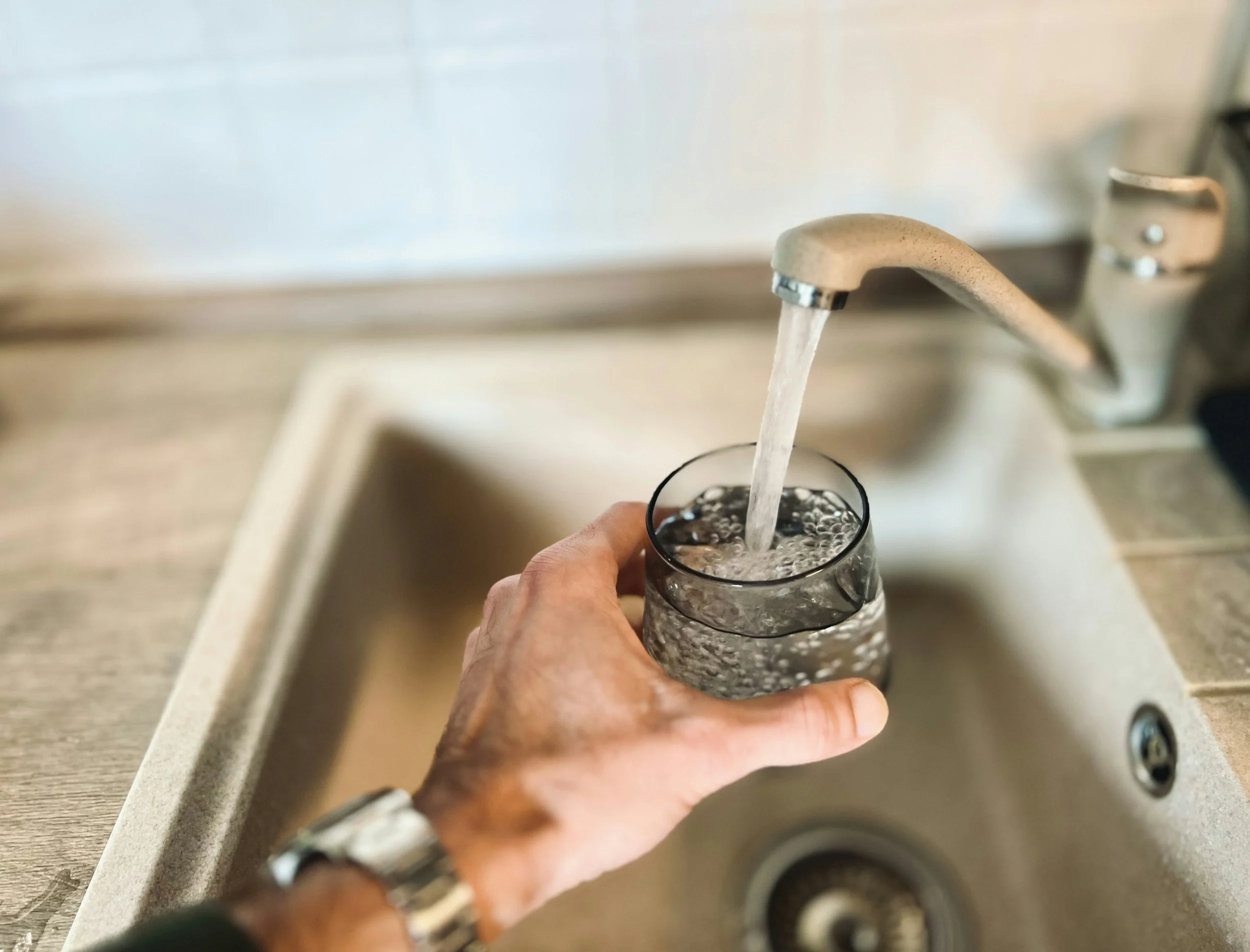
This one is pretty standard, but it’s worth repeating: don’t drink the tap water. Even in many developed countries, tap water isn’t safe for foreign visitors. It’s easy to forget when you’re rushing through your day or when you think the water might be fine because it’s crystal clear or you are in a nice restaurant. However, your stomach is not accustomed to the filtration system or their water. Always opt for bottled water. For developing countries, don’t even brush your teeth with tap water.
Be wary of fresh fruits and raw vegetables

Fresh fruits and raw veggies are very tempting, but you have to consider the risk-reward of getting stomach illness and that delicious smoothie. If tap water is used for rinsing fruits or salad, it may not be safe. Remember, best if you can peel it or cook it.
V. Insurances
Do I need to purchase travel insurance?
No, you don’t HAVE to. I have personally never purchased travel insurance, but keep in mind what other insurance you may already have that covers traveling. For example, your credit card may offer rental car and hotel insurance. Your health insurance may cover emergencies in foreign countries. There are many hidden insurances that you may already be paying for, making the additional travel insurance not necessary. That being said, having insurance is a peace of mind, and if you can afford it or have general travel anxiety, I would go for it.
VI. Conclusion: Being Prepared
Travel safety comes down to preparation. By doing your research, knowing the safety resources available to you, and being aware of your environment, you will minimize risks and maximize the enjoyment of your trip. Whether you’re traveling solo or with a group, it’s essential to plan ahead and take sensible precautions to ensure your trip is as safe as it is fun.
At the end of the day, traveling should be fun, not intimidating or stressful. With the right mindset and these safety tips in your back pocket (or in your money belt), you can confidently explore the world!